

Wall Lights: Essential Guide to Choosing the Perfect Fixtures for Your Space
Wall lights serve as both functional illumination and decorative elements that can transform any room in your home. These fixtures mount directly to walls and provide targeted lighting where overhead options fall short, making them ideal for hallways, bedrooms, living rooms, and bathrooms.
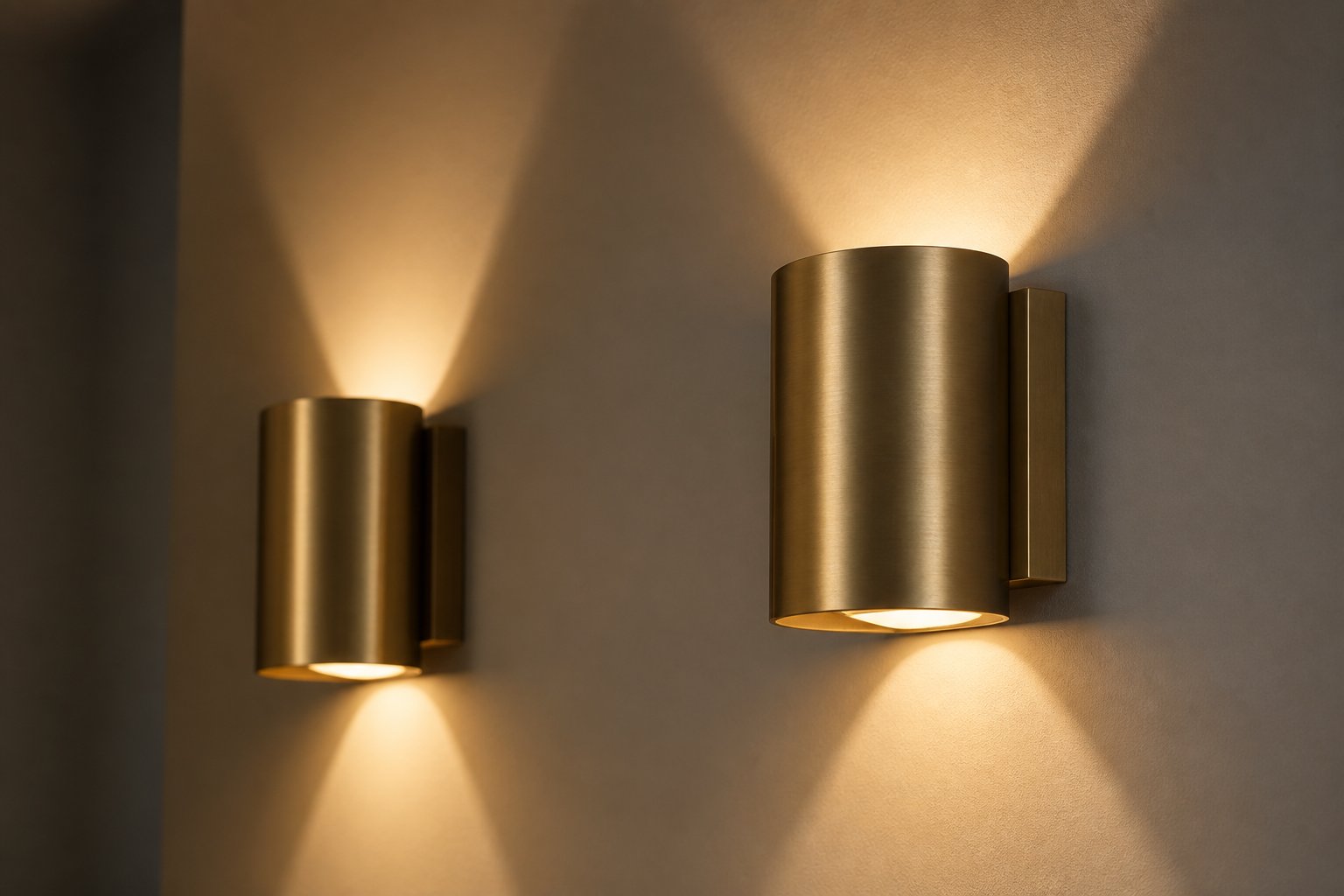
Understanding the different types of wall lights available and how to select the right fixtures for your specific needs will help you create a well-lit, visually appealing space that enhances your home's overall design. From modern wall sconces to traditional picture lights, the variety of options allows you to match your personal style while meeting practical lighting requirements.
This guide will walk you through selecting appropriate fixtures for different rooms, proper placement techniques, and maintenance considerations. You'll learn how wall lighting fits into a layered lighting scheme and what factors to consider when choosing quality fixtures that will serve your home for years to come.
Types and Styles of Indoor Wall Lighting
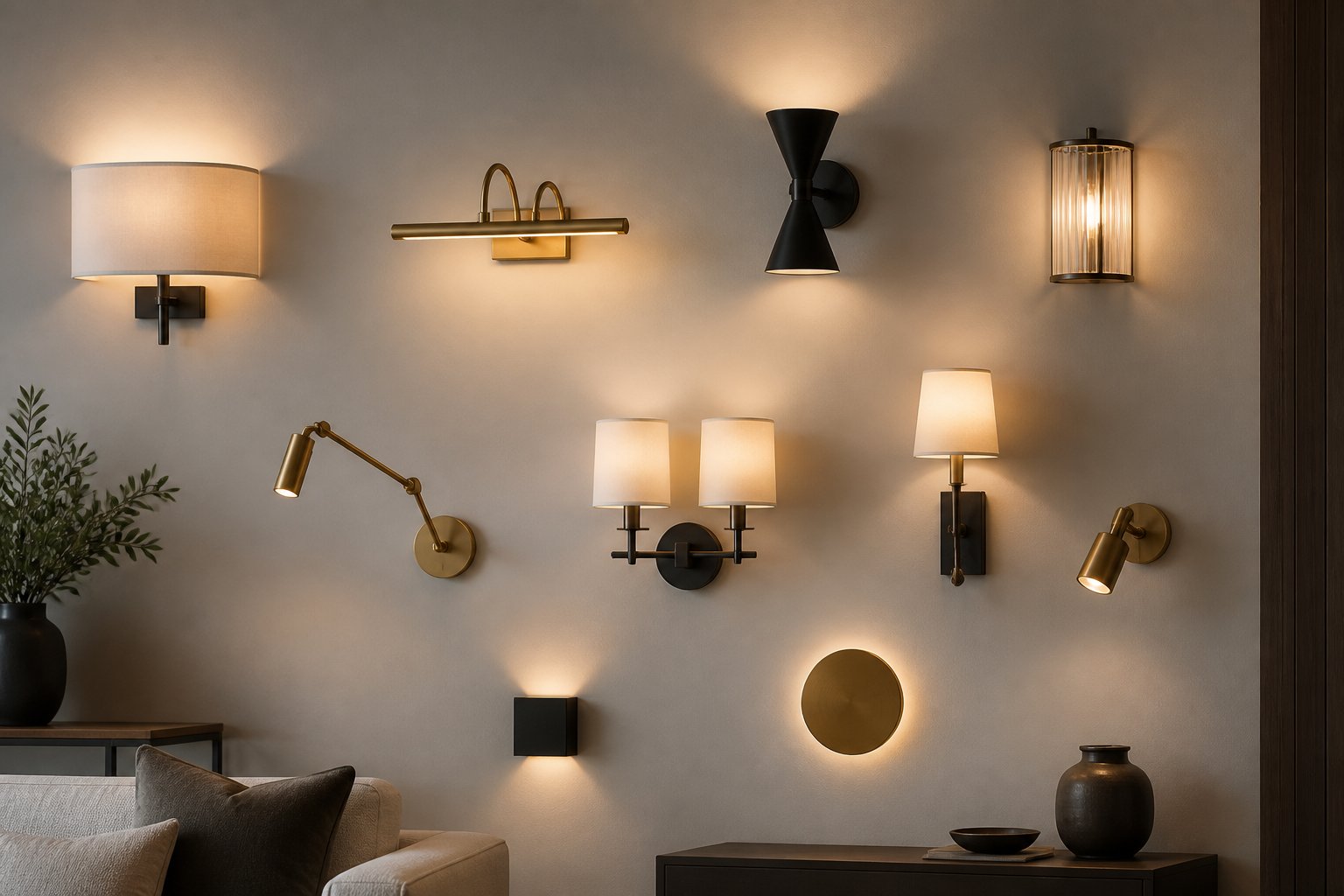
Indoor wall lights span a wide range of aesthetic approaches and functional applications. From sleek minimalist fixtures to ornate vintage pieces, the style you choose shapes both the ambiance and utility of your space.
Contemporary and Modern Designs
Modern wall sconces emphasize clean lines, geometric shapes, and minimal ornamentation. These fixtures often feature materials like brushed nickel, matte black finishes, chrome, and frosted glass that complement contemporary interiors.
You'll find LED-integrated designs dominate this category, offering energy efficiency alongside streamlined profiles. Popular styles include linear bar lights, cylindrical up-and-down fixtures, and adjustable reading lights with articulating arms.
Contemporary designs work particularly well in open-plan homes, hallways with modern artwork, and bedrooms where you want unobtrusive task lighting. Many modern wall lights incorporate dimming capabilities and smart home compatibility, allowing you to adjust brightness and color temperature through smartphone apps or voice commands.
The emphasis remains on functionality without sacrificing visual appeal. Materials like concrete, wood accents, and powder-coated metals add textural interest while maintaining the clean aesthetic that defines modern design.
Classic and Vintage Choices
Traditional wall sconces draw inspiration from historical periods, featuring brass finishes, crystal embellishments, and decorative metalwork. These fixtures often incorporate candelabra-style bulbs, fabric shades, and ornate backplates that reference Georgian, Victorian, or Art Deco eras.
You can select from options like carriage lanterns for entryways, milk glass shades for bathrooms, and swing-arm library lights for reading nooks. Antique bronze, oil-rubbed bronze, and polished brass finishes authenticate the vintage aesthetic.
Classic designs suit heritage homes, formal dining rooms, and spaces where you want to establish a sense of timelessness. Wall lights come in various styles designed to match different interior approaches, from subtle ambient lighting to decorative focal points.
Period-appropriate fixtures add architectural character to renovated spaces while reproduction pieces offer vintage charm with modern electrical standards and energy-efficient bulb compatibility.
Decorative Statement Fixtures
Statement wall lights serve as functional art pieces that draw attention and define your room's character. These fixtures feature bold colors, unusual materials, sculptural forms, and oversized proportions that make them conversation starters.
Options include hand-blown glass shades, mid-century starburst designs, industrial cage fixtures, and nature-inspired forms like branch or floral motifs. You might choose dramatic backlit panels, colorful Murano glass, or fixtures incorporating mixed materials like wood and metal.
These lights work best as focal points in living rooms, dining areas, or staircases where they can command visual attention without overwhelming the space. Indoor wall lights enhance ambience and add personality when strategically placed.
Your statement fixture should complement rather than compete with existing design elements. Consider scale carefully—a large sculptural sconce suits a spacious wall but overwhelms a narrow corridor.
Functional Lighting Solutions
Task-oriented wall lights prioritize performance over decorative impact. These include swing-arm reading lights, vanity fixtures with multiple bulbs, picture lights for artwork, and hardwired bedside lamps.
You'll benefit from adjustable fixtures that direct light where needed, whether illuminating bathroom mirrors, highlighting kitchen workspaces, or providing focused reading light. Many functional designs incorporate shades or diffusers to reduce glare while maintaining adequate illumination.
Bathroom vanity lights typically feature multiple bulbs arranged horizontally or vertically to eliminate facial shadows. Kitchen wall lights often include directional heads for counter illumination. Balancing function, placement, and brightness ensures your wall light improves how the room performs.
Motion-sensor options work well in hallways and closets, while dimmable fixtures let you adjust brightness for different activities throughout the day.
Enhancing Ambience with Layered Lighting
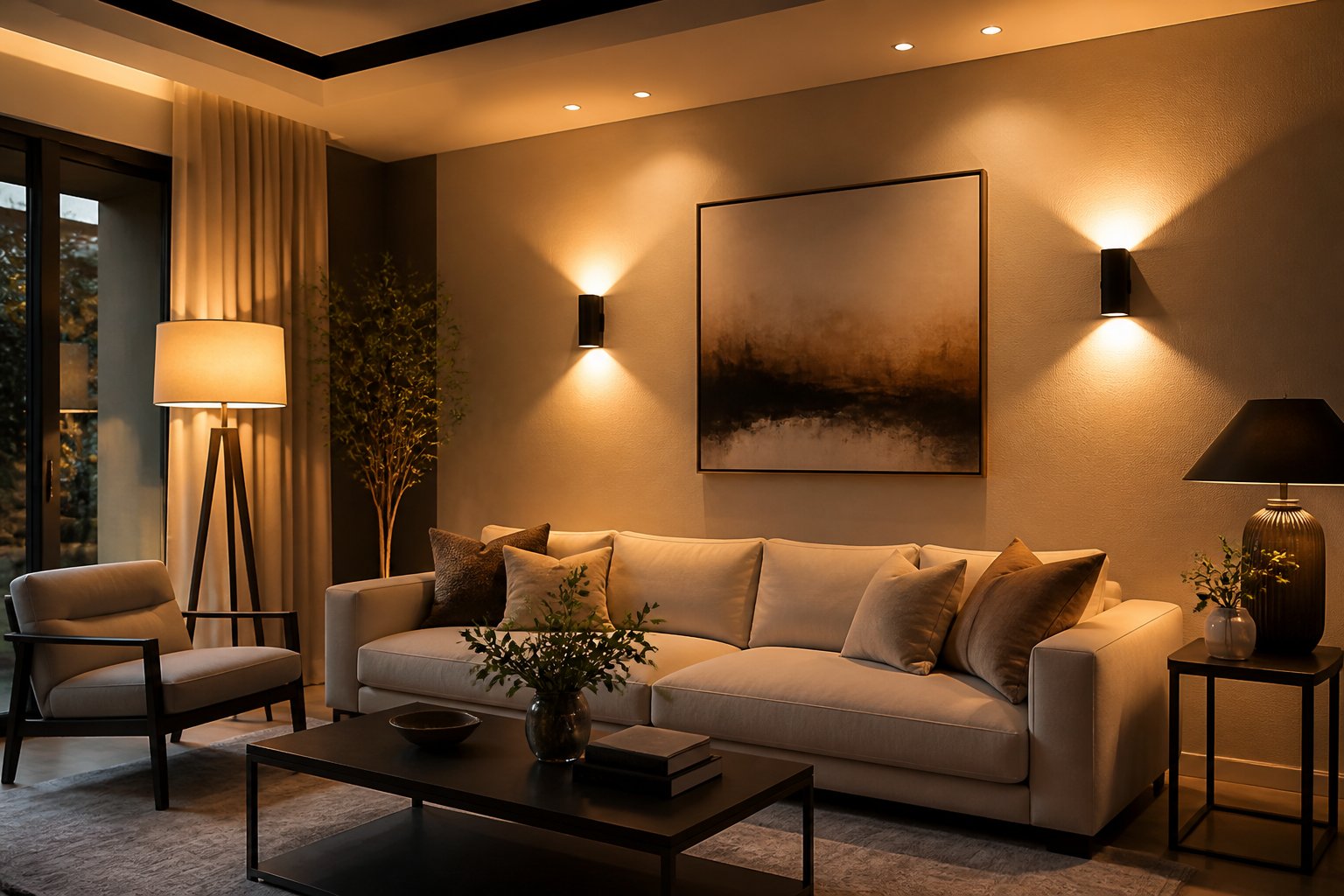
Wall lights work best when integrated into a comprehensive lighting strategy that includes multiple light sources at different heights and intensities. Layering ambient, task, and accent lighting creates depth and flexibility in your space while allowing you to adjust the mood throughout the day.
Combining Wall and Ceiling Lights
You should position wall lights to complement your ceiling fixtures rather than compete with them. Ceiling lights provide overhead illumination that fills a room with general light, while wall lights add dimension by directing light horizontally and vertically along walls.
Install wall sconces at eye level or slightly above to create visual interest between floor and ceiling. This placement helps eliminate harsh shadows that ceiling-only lighting creates. When you combine ceiling and wall lights, you distribute light more evenly throughout the space.
Your ceiling lights can handle primary illumination during active hours, while wall lights offer softer alternatives for evening relaxation. Use dimmers on both to adjust the balance between these sources based on your needs.
Creating Ambient Lighting Effects
Ambient lighting establishes the foundational light level in your room. Wall lights excel at creating this base layer when you direct them upward or use diffused shades that spread light gently across surfaces.
Choose warm white bulbs (2700K-3000K) for living areas and bedrooms to create inviting atmospheres. Position multiple wall lights around your room's perimeter to achieve even distribution without dark corners. Uplighting wall sconces bounce light off ceilings to create soft ambient lighting that feels natural and comfortable.
Consider spacing wall lights 6-8 feet apart along hallways and larger rooms. This spacing prevents over-illumination while maintaining consistent light levels throughout.
Balancing Task, Accent, and General Lighting
Your lighting scheme needs three distinct layers working together. General lighting from ceiling fixtures provides overall visibility. Task lighting focuses on specific activities like reading or cooking. Accent lighting highlights architectural features or artwork.
Wall lights can serve all three purposes depending on their placement and design. Install adjustable wall lamps beside reading chairs for task lighting. Use picture lights or directional sconces to accent artwork. Add wall-mounted fixtures at medium brightness for general ambient light.
You should aim for a 3:1 ratio between your brightest task lighting and ambient levels. This contrast creates visual interest without causing eye strain. Balance these three lighting types by ensuring no single layer dominates your space.
Selecting the Right Fixture for Each Space
Wall lights serve different purposes depending on where you install them, and each room requires specific considerations for height, style, and light output. The fixture type you choose should match both the functional demands and aesthetic requirements of the space.
Living Areas and Lounges
Your living room wall sconces should create ambient lighting that complements overhead fixtures without overwhelming the space. Position them at 60 to 66 inches from the floor to provide comfortable eye-level illumination when seated.
Consider these placement options for living areas:
- Flanking furniture: Install sconces on either side of sofas or artwork at equal distances
- Accent lighting: Use adjustable wall lights to highlight architectural features or art pieces
- Reading zones: Mount swing-arm fixtures 48 to 54 inches high near chairs for task lighting
Dimmer-compatible wall sconces give you control over ambiance throughout the day. Choose fixtures with opaque or frosted shades to minimize glare on television screens. For rooms with high ceilings above 9 feet, you may need to adjust mounting heights proportionally to maintain visual balance.
Bedrooms and Bedside Options
Bedside wall lights eliminate the need for table lamps and free up nightstand space. Mount them 30 to 36 inches above the mattress top, positioning the bottom of the shade at sitting eye level.
Swing-arm wall sconces offer the most flexibility for reading in bed. You can adjust the light source directly over your book or device without disturbing a sleeping partner. Choose fixtures with individual switches rather than requiring you to get out of bed.
Key bedroom wall light features:
| Feature | Benefit |
|---|---|
| Adjustable arms | Direct light where needed |
| Built-in USB ports | Charge devices conveniently |
| Dimmer switches | Control brightness for different activities |
| Warm color temperature | Promote relaxation before sleep |
Install wall sconces at least 6 inches from the bed's edge to prevent head bumps. If your bedroom doubles as a workspace, add task lighting at appropriate desk height.
Hallways and Stairwells
Hallway wall lights require careful spacing to eliminate dark patches while avoiding excessive brightness. Space fixtures 8 to 10 feet apart along corridor walls, maintaining consistent height at 60 to 72 inches from the floor.
Stairwell installations demand extra attention to safety. The ideal placement heights for wall lights in stairways typically range from 60 to 70 inches, measured from each tread. This positioning ensures even illumination across all steps without creating harsh shadows.
Choose wall sconces with downward-facing or diffused light distribution in narrow hallways. Uplighting fixtures work well in wider corridors with interesting ceiling details. Motion-sensor wall lights improve energy efficiency in spaces you pass through frequently but don't occupy for extended periods.
Bathrooms and Mirror Lighting
Bathroom wall sconces mounted on either side of mirrors provide the most flattering and functional lighting for grooming tasks. Position them 60 to 70 inches from the floor and 28 to 36 inches apart, depending on your mirror width.
Side-mounted fixtures eliminate the shadows that single overhead lights create under your chin and eye area. Choose wall lights rated for damp or wet locations based on their proximity to water sources. Enclosed glass shades protect bulbs from moisture while diffusing light evenly.
For powder rooms, decorative wall sconces can serve as the primary light source when paired with adequate wattage. Larger bathrooms benefit from layered lighting that combines mirror-flanking fixtures with overhead or ceiling-mounted options. Install dimmer switches to adjust brightness for nighttime use without harsh glare.
Installation Considerations and Placement Tips
Proper installation of wall lights requires attention to mounting height, electrical requirements, and safety standards to achieve both functional illumination and visual appeal.
Height and Positioning Guidelines
The height at which a wall light is mounted significantly affects both functionality and aesthetics. For general living spaces, mount wall sconces 60 to 66 inches from the floor to the center of the fixture. This height works well for most room types and ceiling heights.
In hallways and corridors, space your fixtures 8 to 10 feet apart to create even illumination without dark spots. For bedroom reading lights, position them 60 to 70 inches high, roughly 18 to 24 inches from the bed's edge.
Bathroom vanity lights require different considerations. Mount them 60 to 65 inches high on either side of mirrors, spacing them 36 to 40 inches apart for balanced facial illumination. Avoid placing fixtures directly above mirrors, as this creates unflattering shadows.
Wiring and Power Source Factors
You'll need to determine whether your wall lights will connect to existing electrical circuits or require new wiring. Hardwired installations provide the cleanest look but demand professional electrical work in most cases. Check your local building codes before starting any electrical project.
Plug-in wall sconces offer flexibility without major electrical work. You can reposition these fixtures easily, making them ideal for renters or temporary installations. However, visible cords may detract from your desired aesthetic.
Consider installing dimmer switches during the wiring phase to control light levels. Dimmers work with most LED and incandescent bulbs but require compatible fixtures and bulbs. Verify that your chosen wall lights support dimming functionality before purchasing dimmer hardware.
Plan for adequate power supply by calculating the total wattage of your fixtures. Most standard circuits handle 15 amps, supporting multiple wall lights without overloading.
Materials, Finishes, and Maintenance
The materials and finishes you choose for your wall lights affect both aesthetics and durability, while proper maintenance practices ensure your fixtures maintain their appearance and function for years.
Popular Material Choices
Brass wall sconces offer timeless appeal and natural antimicrobial properties. This metal develops a patina over time that many homeowners find desirable, though you can also find lacquered brass options that maintain their original shine. Brass works well in traditional and transitional interiors.
Glass fixtures provide versatility in design and light diffusion. You can choose from clear, frosted, seeded, or colored glass depending on the ambiance you want to create. Glass wall lights suit nearly any design style and allow maximum light transmission.
Crystal lighting creates elegance and brilliance through precision-cut crystals that reflect and distribute light with a sparkling effect. These fixtures work best in formal dining rooms, entryways, and master bedrooms where you want to make a statement.
Metal finishes like brushed nickel, oil-rubbed bronze, and matte black provide durability and modern appeal. These finishes resist fingerprints better than polished options and complement contemporary and industrial design schemes. Powder-coated metal fixtures offer superior protection against moisture and wear.
Care and Cleaning Practices
Turn off power to your wall sconces before cleaning to ensure safety and allow bulbs to cool completely. Dust fixtures weekly with a soft microfiber cloth to prevent buildup that can diminish light output.
For glass and crystal components, mix mild dish soap with warm water and apply with a soft cloth. Avoid ammonia-based cleaners on metal finishes as they can cause discoloration or damage protective coatings. Dry all surfaces thoroughly to prevent water spots.
Clean brass fixtures with specialized brass cleaner if you want to remove patina, or simply dust regularly if you prefer the aged look. Metal finishes require only gentle soap and water for routine maintenance.
Longevity and Durability
Quality wall lights constructed with solid materials typically last 15 to 25 years with proper care. LED-compatible fixtures extend this lifespan by reducing heat stress on components and eliminating frequent bulb changes.
Your fixtures' location impacts durability significantly. Wall sconces in high-humidity areas like bathrooms require moisture-rated construction with sealed electrical components. Outdoor-rated fixtures feature weather-resistant finishes and gaskets that prevent water intrusion.
Investment in higher-quality materials pays dividends through reduced replacement costs. Solid brass construction outlasts brass-plated alternatives, while tempered glass resists thermal shock better than standard glass. Check manufacturer warranties as indicators of expected durability, with premium fixtures often carrying 5 to 10-year guarantees.
Choosing Quality Wall Lighting Solutions
Quality wall lights depend on proper light output levels, verified supplier credentials, and realistic budget planning that accounts for both initial costs and long-term value.
Assessing Light Output and Efficiency
Light output determines how effectively your wall lights illuminate a space. Measure brightness in lumens rather than watts, as LED wall lights produce more lumens per watt than traditional bulbs. For ambient lighting in hallways, aim for 200-400 lumens per fixture. Task lighting near mirrors or reading areas requires 400-800 lumens.
Energy efficiency directly impacts your electricity bills over time. Look for LED wall lights with efficacy ratings of at least 80 lumens per watt. Check the color rendering index (CRI) as well, which should be 80 or higher to ensure accurate color representation in your space.
Balancing function and brightness ensures your fixtures meet both aesthetic and practical needs. Compare the rated lifespan of different fixtures, as quality LED wall lights typically last 25,000-50,000 hours before needing replacement.
Finding Reputable Suppliers
Research supplier track records before purchasing wall lights. Check for established businesses with physical locations, clear return policies, and warranty coverage on their products. Read customer reviews specifically about product quality and after-sales support.
Verify that suppliers stock recognized lighting brands with certification marks like SABS approval for South African electrical safety standards. Reputable retailers provide detailed product specifications including beam angles, IP ratings, and installation requirements.
Compare inventory selection across multiple suppliers to gauge their specialization in lighting products. Suppliers offering technical support and lighting consultations typically demonstrate deeper product knowledge than general retailers.
Budgeting for Your Lighting Project
Calculate total project costs beyond fixture prices alone. Installation expenses vary depending on whether you need new wiring, electrical modifications, or simple replacements. Factor in bulb costs if your wall lights don't include integrated LEDs.
Budget between R300-R1,500 per fixture for quality residential wall lights, with designer or specialized models ranging higher. Multiply by the number of fixtures needed throughout your space, then add 15-20% for unexpected expenses like additional mounting hardware or electrical adjustments.
Consider long-term value rather than just initial price. Higher-quality wall lights with better warranties and energy-efficient LEDs cost more upfront but reduce replacement frequency and electricity consumption over their lifespan.
Frequently Asked Questions
Selecting and installing wall lights involves considerations about sizing, placement height, bulb selection, wiring requirements, dimming capabilities, and understanding the distinctions between fixtures designed for indoor versus outdoor use.
How do I choose the right size fixture for my space?
The size of your wall light should correspond to the dimensions of your room and the wall where you plan to mount it. For standard residential rooms, fixtures between 9 and 13 inches in height work well for hallways and bedrooms, while larger spaces like living rooms can accommodate fixtures up to 18 inches or more.
Consider the scale of surrounding furniture and architectural features. A fixture mounted beside a bed should be proportional to your nightstand and headboard height. When choosing indoor wall lights, you need to think beyond style alone and consider how the fixture fits within your space.
What height should the fixture be mounted for the best illumination?
Standard mounting height for wall lights ranges from 60 to 72 inches from the floor to the center of the fixture. This height works well for general ambient lighting and keeps the light source at an appropriate level for most applications.
Hallway sconces benefit from placement at eye level, typically around 66 inches. For bathroom vanity lighting, mount fixtures 60 to 65 inches from the floor or about 18 inches above the countertop. Bedroom reading lights should be positioned 48 to 54 inches from the floor when flanking a bed.
Which bulb types and color temperatures work best for different rooms?
LED bulbs offer the best combination of energy efficiency, longevity, and light quality for most wall light applications. You can choose from various color temperatures measured in Kelvins to suit different room functions.
Warm white bulbs (2700K to 3000K) create a cozy atmosphere suitable for bedrooms, living rooms, and dining areas. Neutral white (3500K to 4100K) works well in kitchens, bathrooms, and home offices where you need clear visibility. Cool white (5000K to 6500K) is best reserved for task-oriented spaces like garages or workshops.
Can these fixtures be installed without existing wiring, and what are the alternatives?
You can install wall lights without existing electrical wiring using several alternatives. Battery-operated fixtures provide a simple solution that requires only mounting hardware and no electrical connections.
Solar wall lights capture sunlight through photovoltaic panels and convert it into electrical energy stored in built-in batteries during the day. Wireless wall lights bring illumination exactly where you need it without requiring an electrician.
Plug-in wall sconces with visible cords offer another option if you have access to a nearby outlet. These alternatives work particularly well for renters or spaces where running new wiring is impractical.
Are dimmable options compatible with standard dimmer switches and LED bulbs?
Dimmable wall lights require both dimmable bulbs and compatible dimmer switches to function properly. Not all LED bulbs support dimming capabilities, so you must verify that your bulbs specifically state they are dimmable.
You need an LED-compatible dimmer switch rather than a traditional incandescent dimmer. Using an incompatible dimmer can cause flickering, buzzing, or limited dimming range. Check that your fixture, bulb, and dimmer switch are all rated for dimming to ensure smooth performance across the full brightness range.
What is the difference between indoor and outdoor-rated fixtures, and when should each be used?
Indoor and outdoor wall lights differ primarily in their weather resistance and protective ratings. Outdoor fixtures feature sealed housings, weather-resistant finishes, and higher IP (Ingress Protection) ratings to withstand moisture, temperature fluctuations, and UV exposure.
Indoor fixtures lack these protective features and will deteriorate rapidly if exposed to outdoor conditions. You should use outdoor-rated fixtures for any location exposed to weather, including covered porches and patios where moisture can accumulate. Indoor fixtures are appropriate for interior spaces where environmental protection is not required.